Decoding Data: Understanding First, Second, Third, and Zero-Party Data to Enhance Customer Experiences
Understanding the types of data available empowers businesses to build data-driven and privacy-first customer experiences. Zero-party data offers the most promise for building trust and personalisation.
In today’s data-driven digital landscape, understanding your audience is crucial for success. Effectively leveraging customer information is essential for crafting personalised experiences that resonate and drive results. However, navigating the intricate landscape of customer data can be daunting.

We need to begin by understanding the types of data that can be collected and their sources. Consumer data that a business can utilise can be categorised into four types, based on how it has been collected:
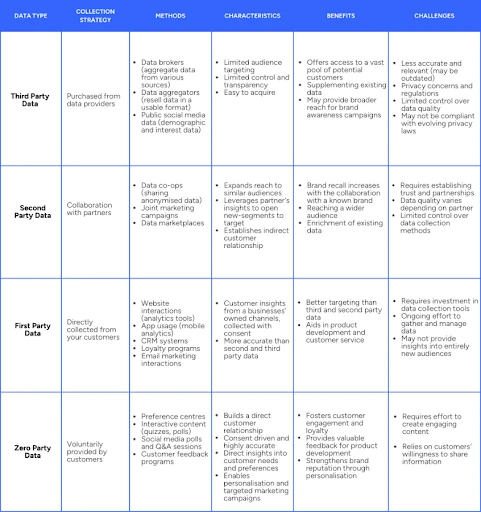
- Third Party Data: Collected externally from data aggregators. Businesses ‘guess’ their customers’ needs by aggregating data from external sources.
- Second Party Data: Shared first party data that a partner business collects, with customer consent.
- First Party Data: Directly collected via customer interactions across your own touchpoints.
- Zero Party Data: Voluntarily provided by customers themselves, intentionally and directly.

Third Party Data: A Fading Star?
Traditionally, third party data held significant appeal for marketers. While offering a vast pool of potential customers, the accuracy and relevance are often compromised. Evolving privacy regulations like GDPR and CCPA are making its acquisition increasingly complex.
Advantages: Broad reach, quick access, variety of targeting parameters.
Limitations: Privacy concerns, inconsistent data quality, limited control over collection methods.

Second Party Data: Partnering for Power
Second party data is first-party data from a trusted partner, shared through a secure agreement. Through data co-ops, joint marketing campaigns, or data marketplaces, you can tap into complementary audience segments.
Advantages: Enhanced reach, cost effective, deeper audience understanding.
Limitations: Relies on partnerships, quality depends on partner’s methods, consent depends on partner.

First Party Data: Your Customer Data Goldmine
First party data is collected directly from your customers through website interactions, app usage, loyalty programs, and CRM systems.
Advantages: Highly relevant, you control collection and use, gathered with customer consent.
Limitations: Limited to your own customer base, requires ongoing collection.
Zero Party Data: The Future of Customer Insights
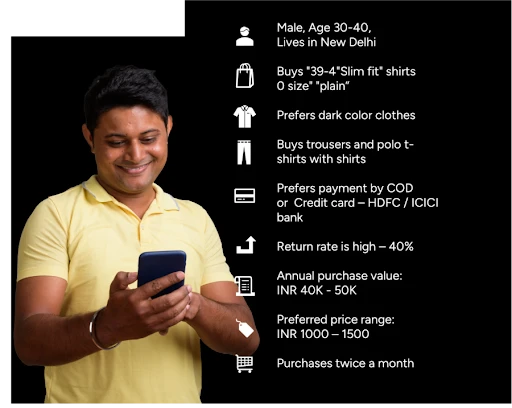
Zero party data encompasses information customers explicitly and intentionally share through preferences, surveys, quizzes, and interactive content. It’s the most accurate, permission-based data type.
Collection methods include preference centres, interactive content, social media polls, and new user registrations.
Advantages: Highly accurate, builds trust through transparency, enables richer customer profiles.
Limitations: Requires active engagement strategies, building a rich data pool takes time.

Beyond Forms: A Shift in Data Collection
Traditional methods like surveys and forms can be cumbersome. Both customers and businesses need a more streamlined approach.
Imagine a world where users could store their profiles and preferences in a ‘Vault’ where they have full control. This platform would enable businesses to request data swiftly while users can selectively share their data with trusted parties.
Open Standards Powering a Frictionless Future
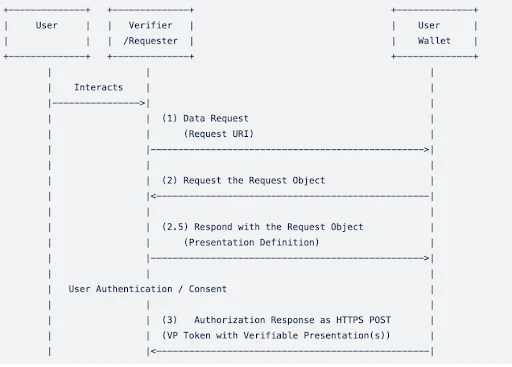
Open standards like Verifiable Credentials, OpenID for Verifiable Presentations (OID4VP), and Decentralised Identifiers (DIDs) hold the key. These empower users to control their data through secure digital wallets containing verifiable credentials.

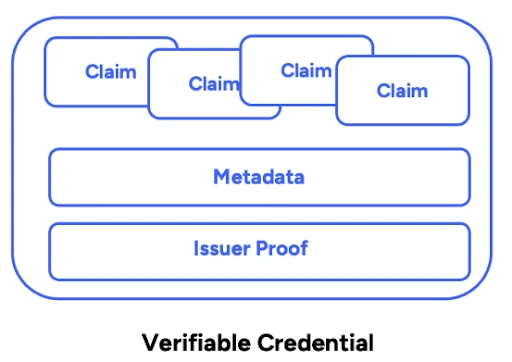
- Verifiable Credentials: Data packets with a digital watermark that can be shared securely and privately, with consent. They are tamper evident and machine readable.

- OID4VP: A protocol facilitating secure presentation of credentials during interactions.
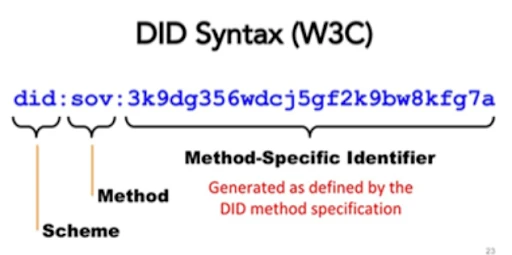
- Decentralised Identifier (DID): A unique identifier system independent of any central authority, where users control their DIDs and link them to verifiable credentials.
Affinidi Pioneering Zero Party Data Strategies
Affinidi’s solutions help businesses unlock holistic customer insights by gathering data with consent, ensuring privacy, and building trust. Benefits include:
- Enhanced Transparency and Trust: Complete control for customers over their data.
- Improved Data Quality: Data comes directly from the source.
- Drives Innovation: Open standards enable secure data exchange for innovative customer experiences.
Understanding the different types of data empowers developers and businesses to build data-driven and privacy-first customer experiences. Zero party data offers the most promise for building trust and achieving long-term business success.